
breaking laminated glass
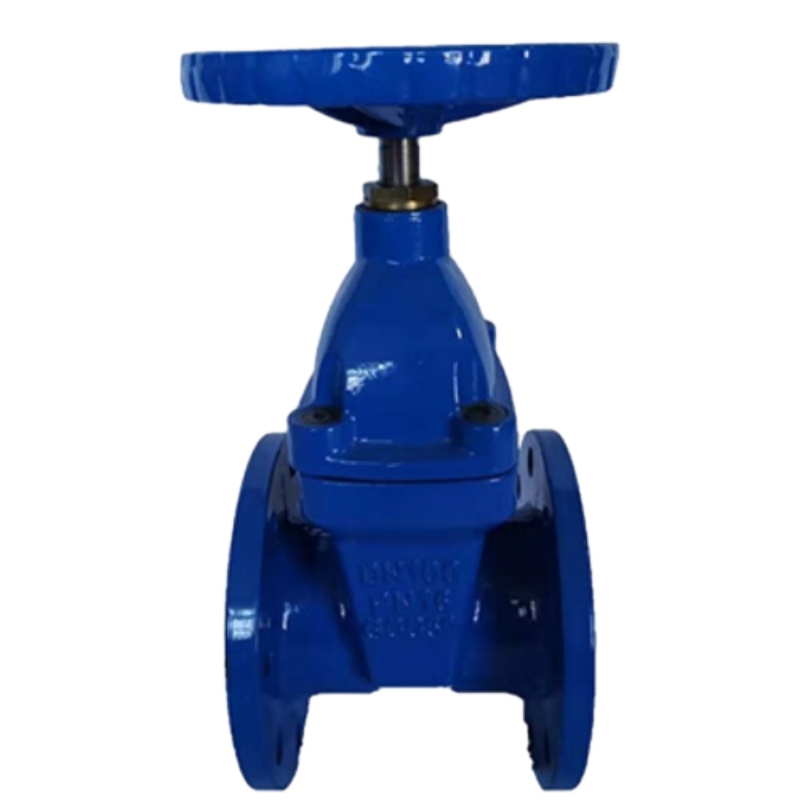
Understanding the One-Inch Check Valve A Key Component in Fluid Systems In the world of plumbing and fluid mechanics, check valves play an essential role in ensuring the efficient and safe flow of liquids and gases. Among various sizes and types, the one-inch check valve stands out as a versatile and widely used option in both residential and industrial applications. This article will delve into the importance, functionality, and applications of the one-inch check valve. What is a Check Valve? A check valve, often called a non-return valve, is designed to allow fluid to flow in one direction while preventing backflow. This is crucial in many systems where the reverse flow could lead to contamination, equipment failure, or system inefficiency. Check valves come in various sizes, with the one-inch variant being particularly favored due to its compact size and adequate flow capacity for many applications. Construction and Mechanism The one-inch check valve typically consists of a body, a disc, and a seat. The body is usually made from durable materials such as brass, PVC, or stainless steel, ensuring longevity and resistance to corrosion. The disc, which is a crucial component, moves freely within the valve body. When fluid flows in the intended direction, the disc opens, allowing flow to pass through. Conversely, when there is a reverse flow, the disc automatically closes against the seat, preventing any backflow. This mechanism is often facilitated by gravity or spring action, depending on the design of the valve. Gravity-operated check valves rely on the weight of the disc to close, while spring-loaded versions utilize a spring mechanism to ensure a tight seal when no forward flow is present. Importance of One-Inch Check Valves One-inch check valves are significant for several reasons 1. Prevention of Backflow As the primary function of check valves, preventing backflow protects equipment and maintains system efficiency. This is particularly important in water supply systems, wastewater treatment, and chemical processing. 2. Maintenance of Pressure In various systems, maintaining a consistent pressure is vital for optimal operations. Check valves help in preventing pressure drops by stopping backflow, which can disrupt flow measurements and system performance. one inch check valve 3. Simplicity and Reliability One-inch check valves are relatively straightforward in their construction, which contributes to their reliability. With fewer moving parts compared to other valve types, they require less maintenance and have a lower likelihood of failure. 4. Cost-Effectiveness Given their size and capability, one-inch check valves offer a balance between cost and performance, making them suitable for both DIY projects and professional installations. Applications One-inch check valves find applications across various industries - Residential Plumbing In homes, these valves are often used to prevent backflow in water supply lines, sump pumps, and irrigation systems. - Industrial Processes In chemical manufacturing and processing plants, they ensure that corrosive substances do not flow backward, which could lead to disastrous outcomes. - Aquaculture and Water Treatment The valves help regulate water flow and maintain proper levels in tanks, preventing the stagnation of water and ensuring a healthy environment for aquatic life. - Heating Systems In hydronic heating systems, they prevent return flow in heating lines, which is critical for maintaining energy efficiency. Conclusion The one-inch check valve is a small yet mighty component in the realm of fluid dynamics. Its ability to prevent backflow, maintain pressure, and enhance system reliability makes it an indispensable part of many plumbing and industrial applications. Whether you’re a homeowner looking to optimize your plumbing or an engineer designing a complex fluid system, understanding and utilizing a one-inch check valve can lead to improved efficiency and safety in your operations. As with all mechanical components, proper installation and maintenance are key to ensuring the longevity and performance of these critical devices.
about
breaking laminated glass
Understanding Standard Bore Gauges Essential Tools in Precision Engineering In the realm of precision engineering, standard bore gauges play a crucial role in ensuring that components meet specific dimensional and quality standards. These instruments are designed to measure the internal diameters of holes, ensuring that they fall within predetermined tolerances. Precision in manufacturing is vital, not only for the performance of the final product but also for the safety and reliability of the machinery in which these components will be used. What is a Standard Bore Gauge? A standard bore gauge is a measuring tool specifically utilized to check the inner diameter of cylindrical objects. Unlike calipers that measure external dimensions, bore gauges allow engineers and machinists to assess the internal profiles of holes, pipes, and various components. They are particularly useful in situations where conventional measuring tools cannot reach or provide accurate readings. Bore gauges generally consist of a body that houses a measuring probe, which expands to fit the internal diameter of the bore being measured. The probe typically has a spring-loaded or a mechanical design that allows for fine adjustments and ensures that the measurement is precise. Once the probe is inserted into the bore, it expands to touch the inner walls, and the measurement can be read on a dial or digital display. Types of Bore Gauges There are several types of bore gauges available, each suited for different applications 1. Dial Bore Gauges These gauges feature a dial indicator that provides a direct reading of the bore's diameter. They are highly accurate and are commonly used in machine shops and assembly lines. 2. Electronic Bore Gauges These modern tools utilize electronic sensors to measure the internal diameter. They often come with digital displays, which can provide more precise readings than their mechanical counterparts. 3. Tapered Bore Gauges These are designed for measuring tapered or conical bores. They include features that allow adjustment to different angles, making them versatile for unique applications. 4. Go/No-Go Gauges These gauges are used to determine whether a bore is within acceptable limits. They feature two ends—one that should fit into the bore (the Go end) and one that should not (the No-Go end). If the Go end fits and the No-Go end does not, the bore is within the required tolerance. standard bore gauge Applications in Various Industries Standard bore gauges are indispensable in several industries, including automotive, aerospace, and manufacturing. In the automotive sector, for example, engine components such as cylinders and shafts require precise internal dimensions to ensure proper fit and function. A slight deviation can lead to poor performance, inefficiency, or even catastrophic failure. In the aerospace industry, where safety is paramount, bore gauges help maintain the high standards necessary for components that endure extreme conditions and pressures. They are used to inspect the internal dimensions of engine parts, hydraulic systems, and many other critical components. Best Practices for Using Bore Gauges To achieve the best results with bore gauges, users should adhere to specific best practices 1. Calibration Regularly calibrate the gauge to ensure accurate readings. A miscalibrated tool can lead to erroneous measurements and compromised quality. 2. Use Proper Technique When measuring, it is essential to apply consistent pressure and avoid forcing the gauge into the bore. This helps prevent damage to both the gauge and the component being measured. 3. Temperature Considerations Measurements can be affected by temperature. It’s essential to account for thermal expansion or contraction in materials when taking readings in environments with fluctuating temperatures. 4. Routine Maintenance Keep the bore gauge clean and free of debris to maintain accuracy and prolong its lifespan. Conclusion In conclusion, standard bore gauges are vital tools in the field of precision manufacturing, contributing to the quality and functionality of countless products. Their ability to provide accurate measurements of internal diameters ensures that components are made to exact specifications, which is essential for reliability and performance. As technology continues to advance, the evolution of bore gauge design and function will likely enhance their already significant role in various industries, further underscoring their importance in modern engineering practices.
-

High quality industrial productsagement

High quality industrial products
View Details -

Meet the diverse needs of customers

Meet the diverse needs of customers
View Details -

Strict quality control

Strict quality control
View Details -

Top raw materials

Top raw materials
View Details -

Trusted supplier

Trusted supplier
View Details
Our application


news and information

valve china
Valve Corporation, a name synonymous with gaming excellence and innovation, has strategically establ
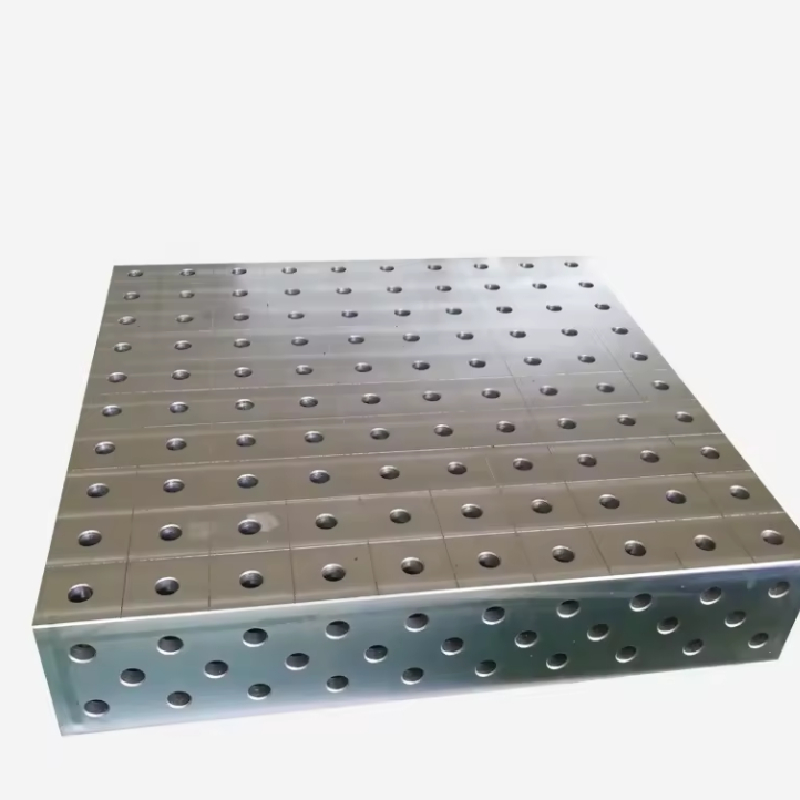
Water Percentage Cut-Off Valve for Efficient Flow Control Systems
Understanding Water Cut-Off Valves An Essential Component in Fluid Management Water cut-off valves a
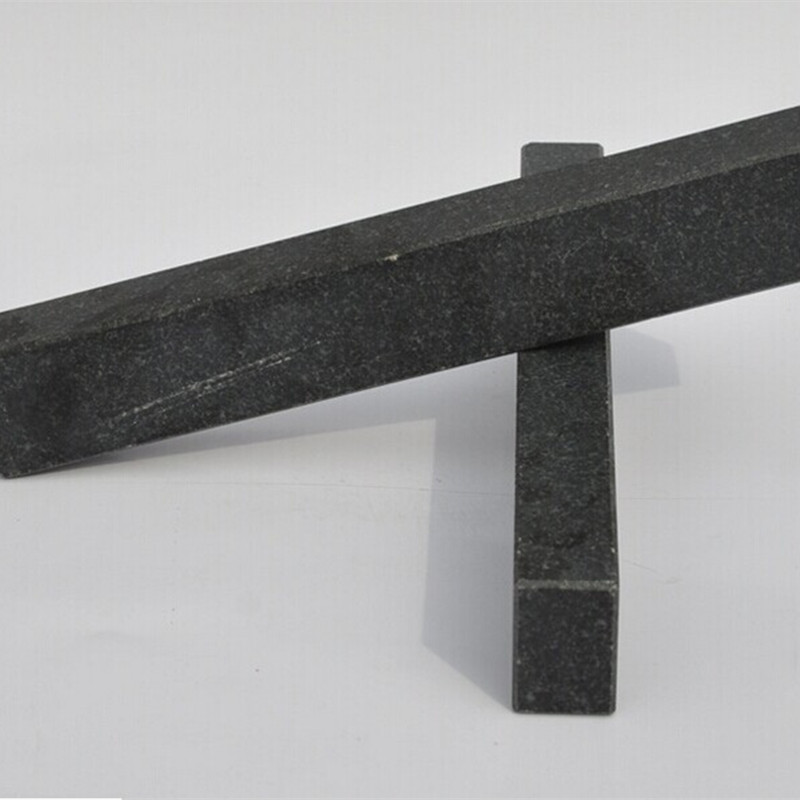
water turn off valve
Understanding Water Turn Off Valves Their Importance and Usage When it comes to plumbing systems, on
 English